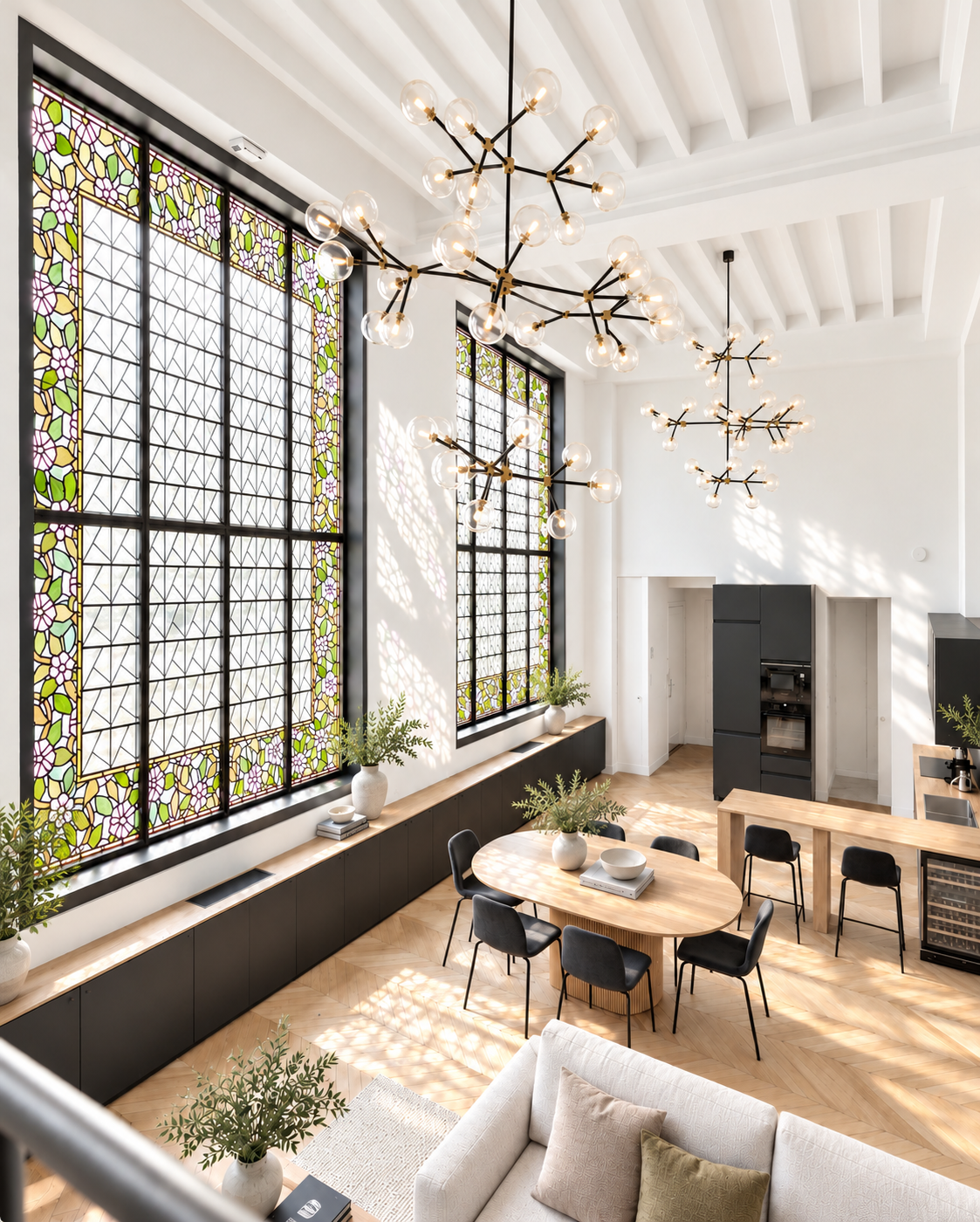
Begin with the framework, not the listing.
An exceptional apartment and beautiful photographs are only part of preparing a Paris residence for the rental market.
Before considering presentation, pricing or distribution, an owner needs to understand how the property can legally be rented, which type of lease is appropriate and which obligations apply to the residence.
Here are seven questions worth answering first.
01 — IS IT YOUR PRIMARY OR SECONDARY RESIDENCE?
This distinction matters.
For furnished tourist accommodation, Paris currently limits the rental of a principal residence to 90 days per calendar year. A property that is not the owner’s principal residence can face significantly different requirements if offered as tourist accommodation, including change-of-use rules.
But this is precisely why owners shouldn’t assume that rules written about Airbnb-style tourist rentals automatically describe every furnished rental. The legal framework depends on how the property is rented and under which lease.
02 — WHAT TYPE OF RENTAL ARE YOU ACTUALLY OFFERING?
Furnished Rental is not one single category.
A principal-residence furnished lease, a bail mobilité, and a furnished tourist rental do not operate under identical rules.
This distinction should be established before the apartment is marketed.
03 — CHECK THE COPROPRIÉTÉ RULES
Before offering a residence, review the building’s règlement de copropriété.
For tourist furnished rentals specifically, Paris notes that the activity must comply with the copropriété rules. Since November 2024, new copropriété regulations must state whether tourist furnished rentals are permitted, while certain existing copropriétés can vote to prohibit them for properties other than principal residences.
04 — UNDERSTAND RENT CONTROL
Paris has operated a rent-control regime since July 2019.
For leases covered by the regime, the applicable maximum reference rent varies according to factors including the neighbourhood, whether the property is furnished, number of rooms and construction period. The system covers qualifying principal-residence leases and baux mobilité.
An exceptional interior does not automatically place a property outside the framework.
05 — ESTABLISH YOUR TAX POSITION
Rental income and its tax treatment should be considered before deciding what a property is expected to earn.
The appropriate structure depends on the owner’s circumstances and the nature of the rental. This is an area where individual professional tax advice matters, rather than relying on a generic online calculation.
06 — PREPARE THE PROPERTY FOR LIVING, NOT PHOTOGRAPHY
Once the framework is clear, turn to the residence itself.
A successful extended-stay apartment needs more than attractive furniture:
real storage,
proper bedding,
a genuinely equipped kitchen,
reliable Wi-Fi,
appropriate lighting,
laundry facilities,
and enough everyday equipment to make the residence functional from arrival.
The objective isn’t simply to photograph well.
It is to continue working three weeks after the photographs were taken.
07 — DECIDE WHO YOU WANT TO RENT TO
Trying to appeal to everybody usually weakens the proposition.
A residence intended for an executive relocation has different priorities from one positioned for a family spending several months in Paris.
Understanding the likely guest informs everything from furnishing and service to how the property should be presented.
BEFORE THE LISTING
The strongest residences are not necessarily those with the most decoration or the highest asking price. They are the ones where the property, rental framework and intended guest make sense together.
Clée Casa works with selected owners and partners whose residences are suited to exceptional extended stays in Paris.
HAVE A RESIDENCE IN PARIS?
We’d be pleased to discover it.